Protect our Ocean
How sustainable fishing takes care of our Ocean and how you can make sure there are fish forever
What is overfishing?
When too many fish are taken from the oceans it leaves a deficit with too few left to breed and sustain healthy numbers.
The effects of this can be devastating for both the fish population and fishing communities. Illegal, unregulated and unreported (IUU) fishing is a practice carried out without concern for the environment, which also threatens stocks and livelihoods.
Safeguarding the oceans
The Marine Stewardship Council (MSC) is an international non-profit organisation formed in 1997. It remains driven by its vision of a future that sees oceans bursting with life.
The MSC uses its signature blue ecolabel and fishery certification programme to recognise and reward sustainable fishing practices, and encourage people to make sustainable choices when buying fish.

Dive in deeper
Dive in deeper
Future forward
Become part of the positive movement to create change by choosing fish that’s been awarded with the blue MSC ecolabel. The MSC works with fisheries, scientists, and across the supply chain, from processors and supermarkets, to retailers, restaurants and fish and chip shops, to make sure you can easily buy blue and help support sustainable fishing.
The ecolabel is only awarded to fisheries that adhere to MSC’s strict sustainable standards so you can always trust where the fish or seafood comes from. Shopping for the MSC ecolabel means you are contributing to the sustainability of the ocean and the continuation of seafood for future generations.



1.
The fishery must leave enough fish in the sea so that stocks can reproduce
2.
Fishing practices must minimise their impact on the wider marine environment so it can flourish
3.
Fisheries must have good management in place
1.
The fishery must leave enough fish in the sea so that stocks can reproduce
2.
Fishing practices must minimise their impact on the wider marine environment so it can flourish
3.
The fishery must have good management in place
What is sustainable fishing?
The MSC works to three core principles of sustainability and fisheries must meet all of them before they can be MSC certified.
Dive in and explore some of the sustainable fisheries around the UK & Ireland
Hover over map icons to reveal more information
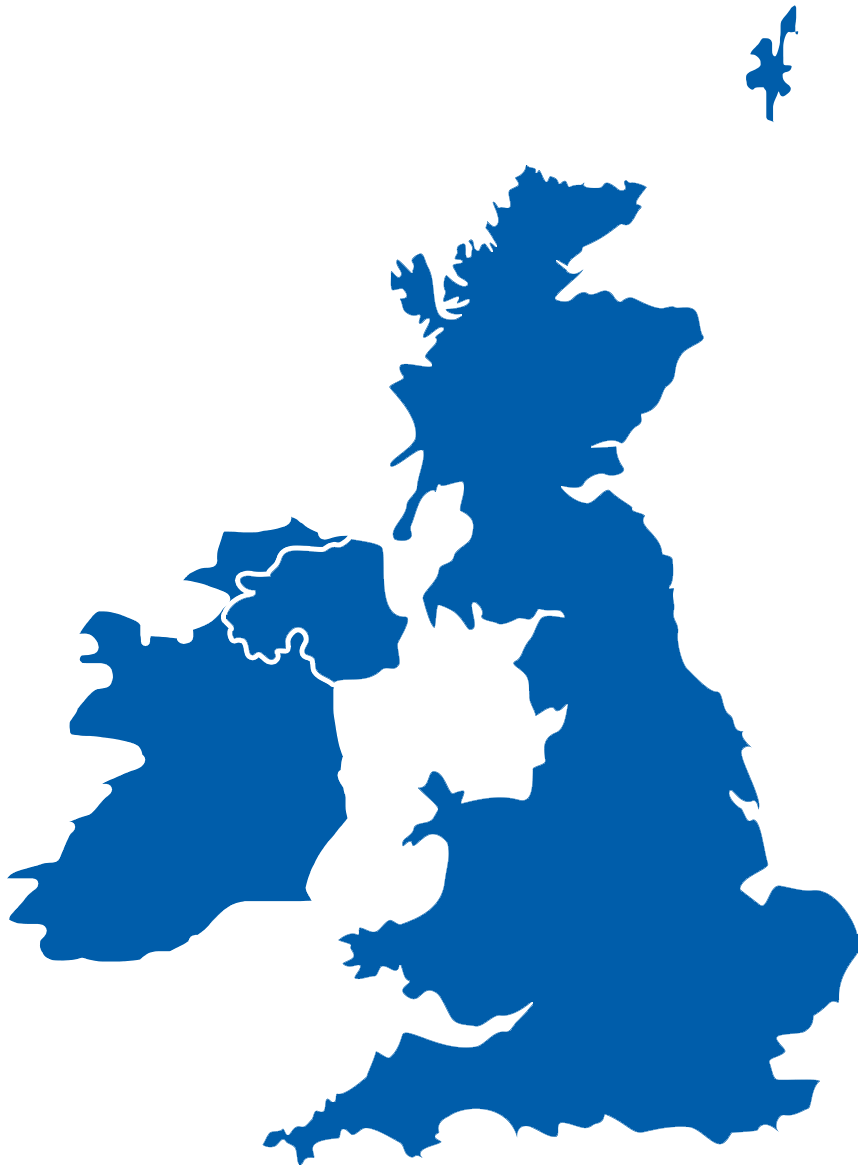
Meet the fisheries
Meet the fisheries

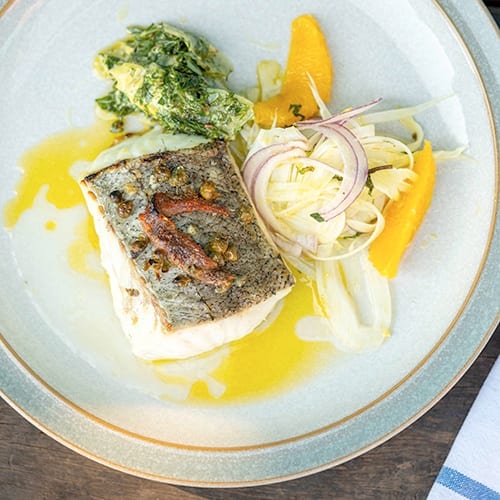
Cornish hake
The Cornish Hake Fishery based in Newlyn, Cornwall, has a fleet of 15 boats that fish to the west of the UK and south of Ireland. The hake are caught using gillnets, a low-impact method that allows juveniles to swim free.
Fishy facts: Cornish hake
A fleshy white fish that is a good alternative to cod, albeit with a slighter sweeter taste, and works well in a Mediterranean seafood stew.
Cornish sardines
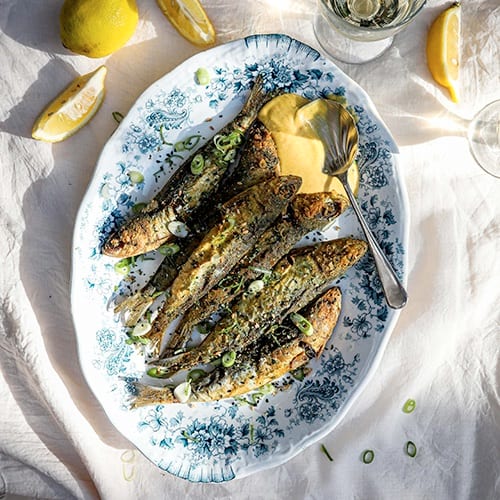
Fifteen vessels, one skipper, two crew and ring nets. The Cornish sardine fishery put vessels out to sea around Cornwall between July and March. Since MSC-certification, the fishery has seen demand steadily rising for sustainably caught sardines.
Fishy facts: Cornish sardines
These silvery fish were once known as Cornish pilchards and rebranded as sardines in 1997. They taste particularly delicious barbequed or grilled.
Irish mussels
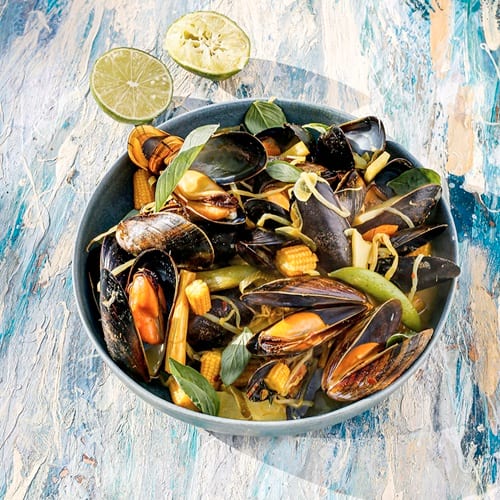
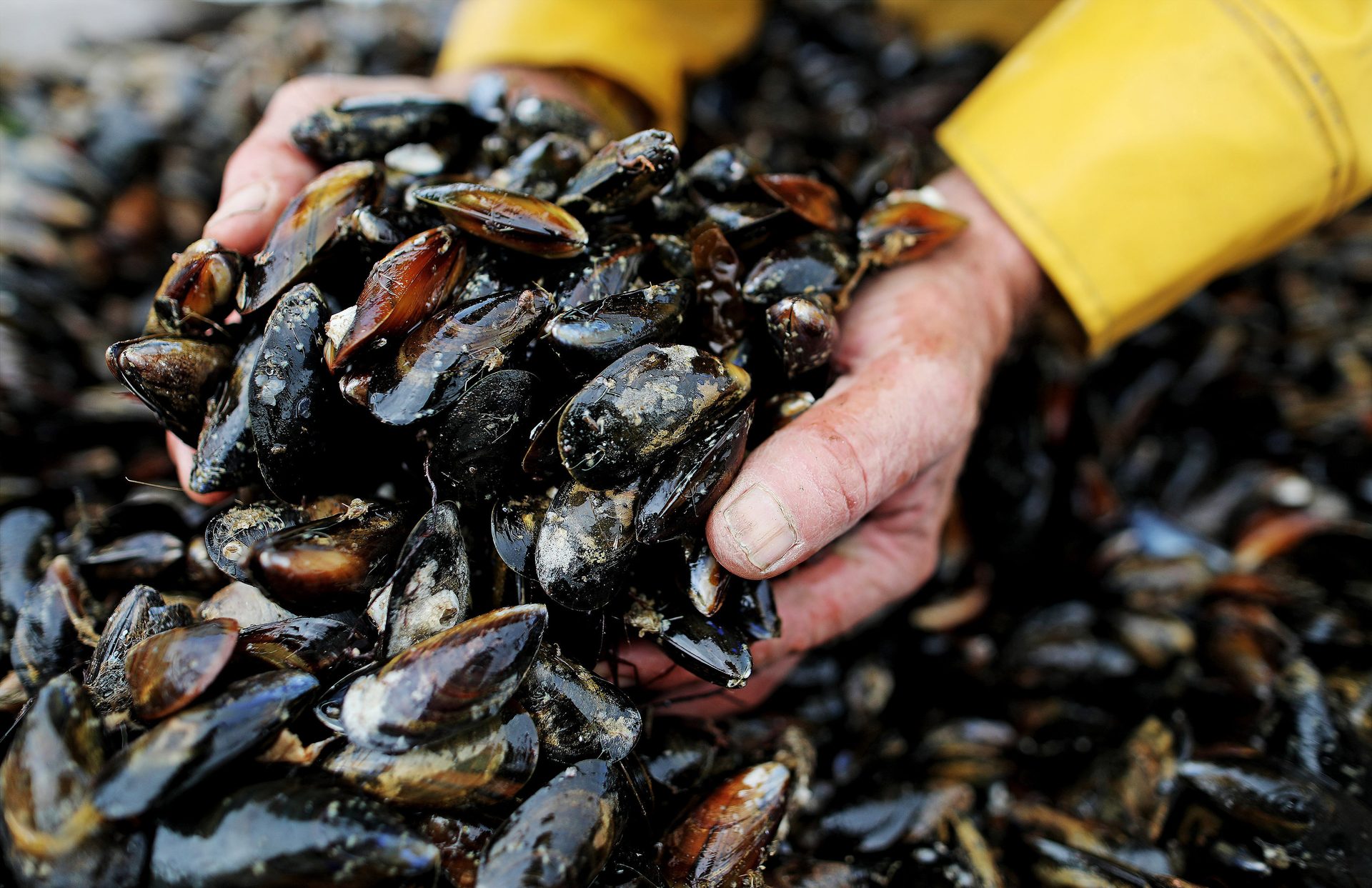
The Irish rope grown mussel fishery was certified in 2019. It’s managed by Bord lascaigh Mhara, which was named 2020’s MSC Ocean Hero at the MSC UK awards. MSC labelled mussels are sold in 20 countries.
Fishy facts: Irish rope grown mussels
Rope grown mussels get all their nutrients from the surrounding water and have very little environmental impact. Make it like the Irish do and cook them with white wine and cream.
North Sea and Irish herring
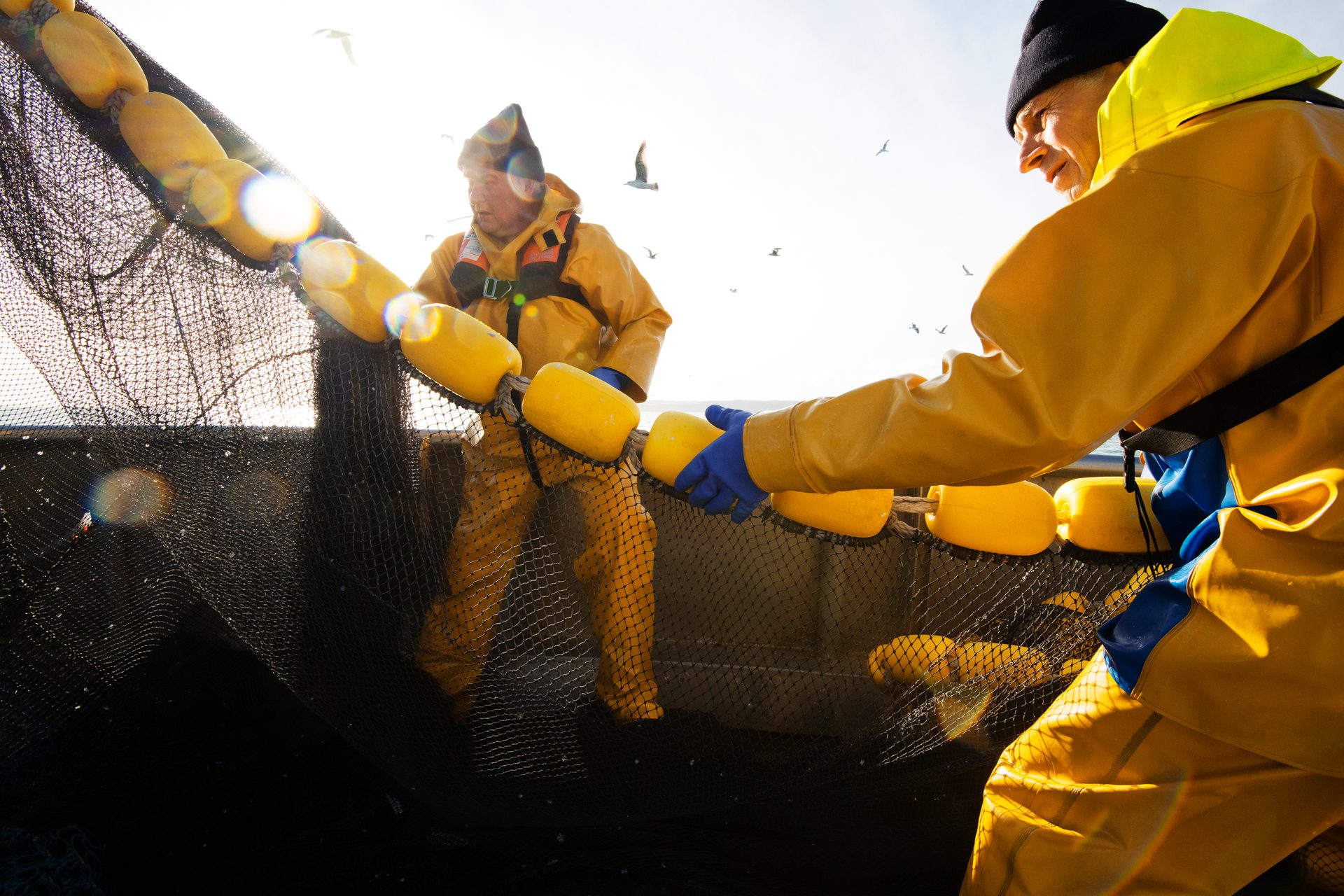
Fishing for herring mainly takes place under the cover of darkness, with specialist boats and state-of-the-art equipment, which enables precision in fishing the species, meaning little or no bycatch.
Fishy facts: Atlantic herring
This abundant species has been fished in the Irish sea since the Middle Ages. It has a rich and oily flavour and pairs well with fresh flavours, such as parsley and lime.
Poole Harbour clam & cockle
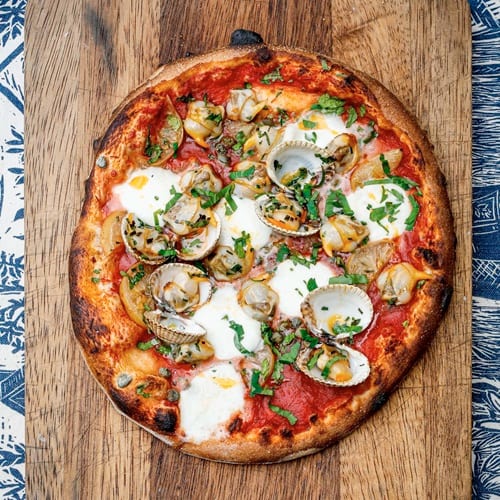
Cockle fishing has taken place in Poole since the 1900s. In 1988, the Manila clam was introduced and has become naturalised without damage to the native species. In 2020, Waitrose became the first major UK supermarket chain to sell MSC-certified British clams.
Fishy facts: Clam & cockle
Clams can be found in both salt and freshwater whereas cockles live in saltwater areas only. Both taste sublime cooked with white wine and garlic butter.
Wash brown shrimp
The brown shrimp fishery in the Wash supplies 95% of the brown shrimp fished in UK waters. Managed by the Shrimp Producers Organisation Ltd, a fleet of 50 small inshore fishing vessels use light beam trawls with trips that last on average two or three days.
Fishy facts: Wash brown shrimp
Brown shrimp loves spicy flavours and tastes wonderful in East Asian dishes, such as Thai green curry or tom yum kung.
Shetland crab & scallop
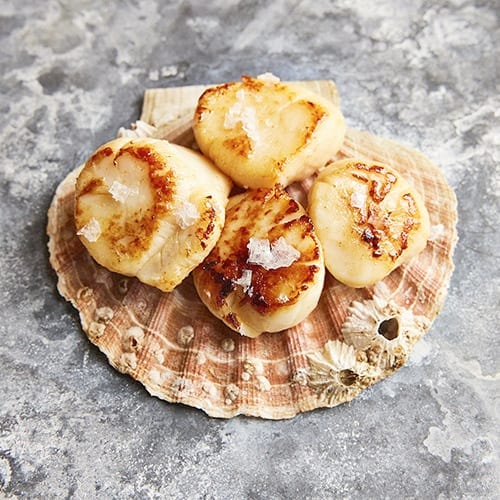
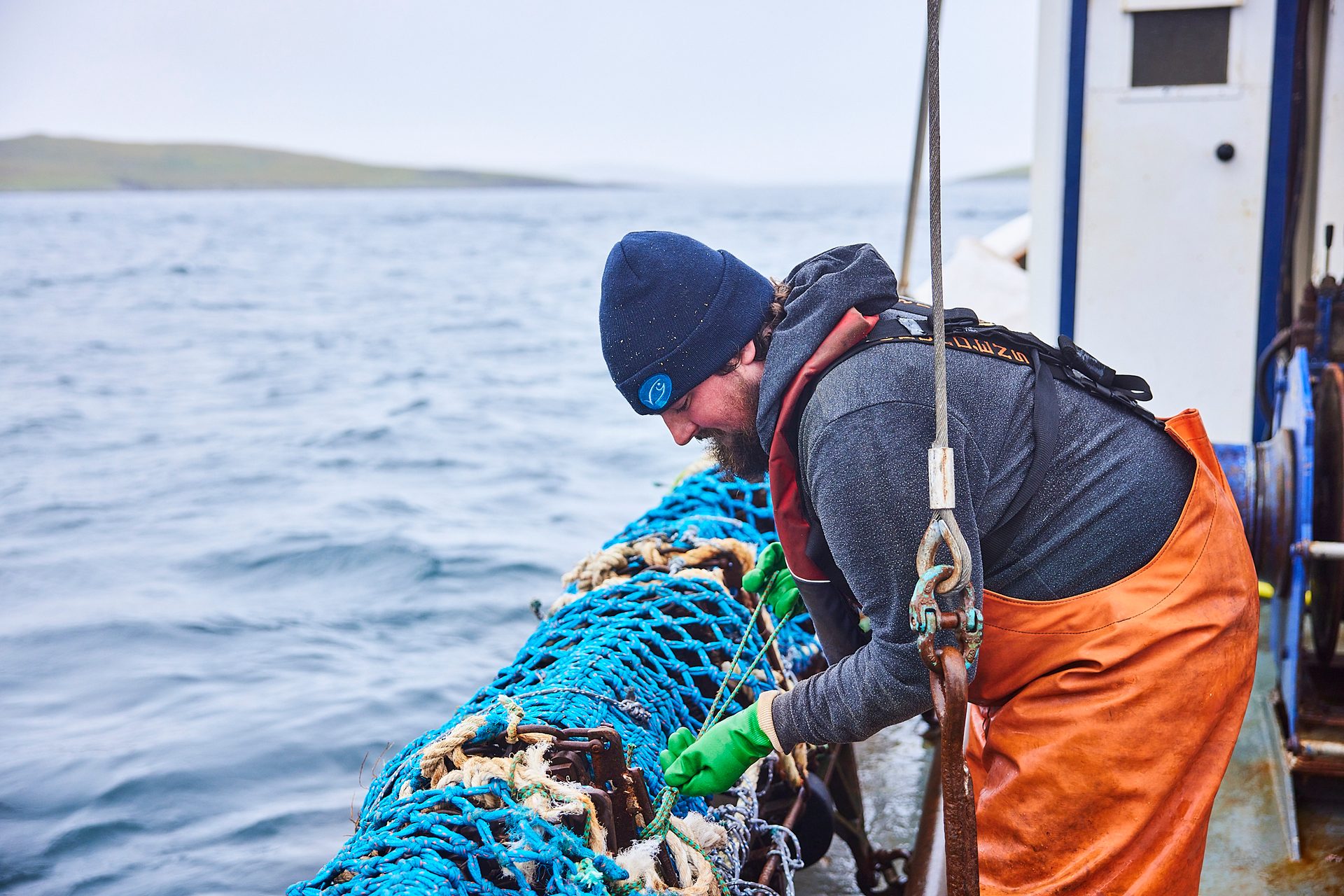
The Shetland islands boast a bountiful harvest of shellfish, including brown crab (edible crabs) and king scallops, both of which have been certified as sustainable since 2012. Brown crabs are caught in creels or pots. King scallops are fished using small inshore vessels that operate within the six-mile limit to the shore. All crabs and scallops are hand measured to ensure only mature individuals are fished.
Fishy facts: Shetland crab & scallop
Combine both crab and scallop in one dish with a delicious French mornay, rich with Gruyére cheese, cream and white wine.



Discover the benefits
Discover the benefits
Seafood is a low-fat source of protein
Blue foods can be a lower-carbon food source
Sustainable blue food keeps the ocean healthy
Seafood provides essential Omega-3 fatty acids, iron and calcium
Blue foods are vital in supporting local economies
Are you getting the blue food benefits?
Sustainable food sourced from oceans, rivers and lakes, known as ‘blue foods’, are recognised as one of the most effective ways to feed a growing global population while reducing the environmental impact of food production. Here are some other great reasons to buy blue…
Dive in and explore some of the sustainable fisheries around the UK & Ireland
Hover over map icons to reveal more information
Meet the fisheries
Meet the fisheries
Cornish hake
The Cornish Hake Fishery based in Newlyn, Cornwall, has a fleet of 15 boats that fish to the west of the UK and south of Ireland. The hake are caught using gillnets, a low-impact method that allows juveniles to swim free.
Fishy facts: Cornish hake
A fleshy white fish that is a good alternative to cod, albeit with a slighter sweeter taste, and works well in a Mediterranean seafood stew.
Cornish sardines
Fifteen vessels, one skipper, two crew and ring nets. The Cornish sardine fishery put vessels out to sea around Cornwall between July and March. Since MSC-certification, the fishery has seen demand steadily rising for sustainably caught sardines.
Fishy facts: Cornish sardines
These silvery fish were once known as Cornish pilchards and rebranded as sardines in 1997. They taste particularly delicious barbequed or grilled.
Irish mussels
The Irish rope grown mussel fishery was certified in 2019. It’s managed by Bord lascaigh Mhara, which was named 2020’s MSC Ocean Hero at the MSC UK awards. MSC labelled mussels are sold in 20 countries.
Fishy facts: Irish rope grown mussels
Rope grown mussels get all their nutrients from the surrounding water and have very little environmental impact. Make it like the Irish do and cook them with white wine and cream.
North Sea and Irish herring
Fishing for herring mainly takes place under the cover of darkness, with specialist boats and state-of-the-art equipment, which enables precision in fishing the species, meaning little or no bycatch.
Fishy facts: Atlantic herring
This abundant species has been fished in the Irish sea since the Middle Ages. It has a rich and oily flavour and pairs well with fresh flavours, such as parsley and lime.
Poole Harbour clam & cockle
Cockle fishing has taken place in Poole since the 1900s. In 1988, the Manila clam was introduced and has become naturalised without damage to the native species. In 2020, Waitrose became the first major UK supermarket chain to sell MSC-certified British clams.
Fishy facts: Clam & cockle
Clams can be found in both salt and freshwater whereas cockles live in saltwater areas only. Both taste sublime cooked with white wine and garlic butter.
Wash brown shrimp
The brown shrimp fishery in the Wash supplies 95% of the brown shrimp fished in UK waters. Managed by the Shrimp Producers Organisation Ltd, a fleet of 50 small inshore fishing vessels use light beam trawls with trips that last on average two or three days.
Fishy facts: Wash brown shrimp
Brown shrimp loves spicy flavours and tastes wonderful in East Asian dishes, such as Thai green curry or tom yum kung.
Shetland crab & scallop
The Shetland islands boast a bountiful harvest of shellfish, including brown crab (edible crabs) and king scallops, both of which have been certified as sustainable since 2012. Brown crabs are caught in creels or pots. King scallops are fished using small inshore vessels that operate within the six-mile limit to the shore. All crabs and scallops are hand measured to ensure only mature individuals are fished.
Fishy facts: Shetland crab & scallop
Combine both crab and scallop in one dish with a delicious French mornay, rich with Gruyére cheese, cream and white wine.
Discover the benefits
Discover the benefits
Seafood is a low-fat source of protein
Blue foods can be a lower-carbon food source
Sustainable blue food keeps the ocean healthy
Seafood provides essential Omega-3 fatty acids, iron and calcium
Blue foods are vital in supporting local economies
Are you getting the blue food benefits?
Sustainable food sourced from oceans, rivers and lakes, known as ‘blue foods’, are recognised as one of the most effective ways to feed a growing global population while reducing the environmental impact of food production. Here are some other great reasons to buy blue…
Dive in and explore some of the sustainable fisheries around the UK & Ireland
Meet the fisheries
Meet the fisheries
Click map icons to reveal more information
Cornish hake
The Cornish Hake Fishery based in Newlyn, Cornwall, has a fleet of 15 boats that fish to the west of the UK and south of Ireland. The hake are caught using gillnets, a low-impact method that allows juveniles to swim free.
Fishy facts: Cornish hake
A fleshy white fish that is a good alternative to cod, albeit with a slighter sweeter taste, and works well in a Mediterranean seafood stew.
Cornish sardines
Fifteen vessels, one skipper, two crew and ring nets. The Cornish sardine fishery put vessels out to sea around Cornwall between July and March. Since MSC-certification, the fishery has seen demand steadily rising for sustainably caught sardines.
Fishy facts: Cornish sardines
These silvery fish were once known as Cornish pilchards and rebranded as sardines in 1997. They taste particularly delicious barbequed or grilled.
Irish mussels
The Irish rope grown mussel fishery was certified in 2019. It’s managed by Bord lascaigh Mhara, which was named 2020’s MSC Ocean Hero at the MSC UK awards. MSC labelled mussels are sold in 20 countries.
Fishy facts: Irish rope grown mussels
Rope grown mussels get all their nutrients from the surrounding water and have very little environmental impact. Make it like the Irish do and cook them with white wine and cream.
North Sea and Irish herring
Fishing for herring mainly takes place under the cover of darkness, with specialist boats and state-of-the-art equipment, which enables precision in fishing the species, meaning little or no bycatch.
Fishy facts: Atlantic herring
This abundant species has been fished in the Irish sea since the Middle Ages. It has a rich and oily flavour and pairs well with fresh flavours, such as parsley and lime.
Poole Harbour clam & cockle
Cockle fishing has taken place in Poole since the 1900s. In 1988, the Manila clam was introduced and has become naturalised without damage to the native species. In 2020, Waitrose became the first major UK supermarket chain to sell MSC-certified British clams.
Fishy facts: Clam & cockle
Clams can be found in both salt and freshwater whereas cockles live in saltwater areas only. Both taste sublime cooked with white wine and garlic butter.
Shetland crab & scallop
The Shetland islands boast a bountiful harvest of shellfish, including brown crab (edible crabs) and king scallops, both of which have been certified as sustainable since 2012. Brown crabs are caught in creels or pots. King scallops are fished using small inshore vessels that operate within the six-mile limit to the shore. All crabs and scallops are hand measured to ensure only mature individuals are fished.
Fishy facts: Shetland crab & scallop
Combine both crab and scallop in one dish with a delicious French mornay, rich with Gruyére cheese, cream and white wine.
Wash brown shrimp
The brown shrimp fishery in the Wash supplies 95% of the brown shrimp fished in UK waters. Managed by the Shrimp Producers Organisation Ltd, a fleet of 50 small inshore fishing vessels use light beam trawls with trips that last on average two or three days.
Fishy facts: Wash brown shrimp
Brown shrimp loves spicy flavours and tastes wonderful in East Asian dishes, such as Thai green curry or tom yum kung.
Discover the benefits
Discover the benefits
Seafood is a low-fat source of protein
Blue foods can be a lower-carbon food source
Sustainable blue food keeps the ocean healthy
Seafood provides essential Omega-3 fatty acids, iron and calcium
Blue foods are vital in supporting local economies
Are you getting the blue food benefits?
Sustainable food sourced from oceans, rivers and lakes, known as ‘blue foods’, are recognised as one of the most effective ways to feed a growing global population while reducing the environmental impact of food production. Here are some other great reasons to buy blue…
The Big 5
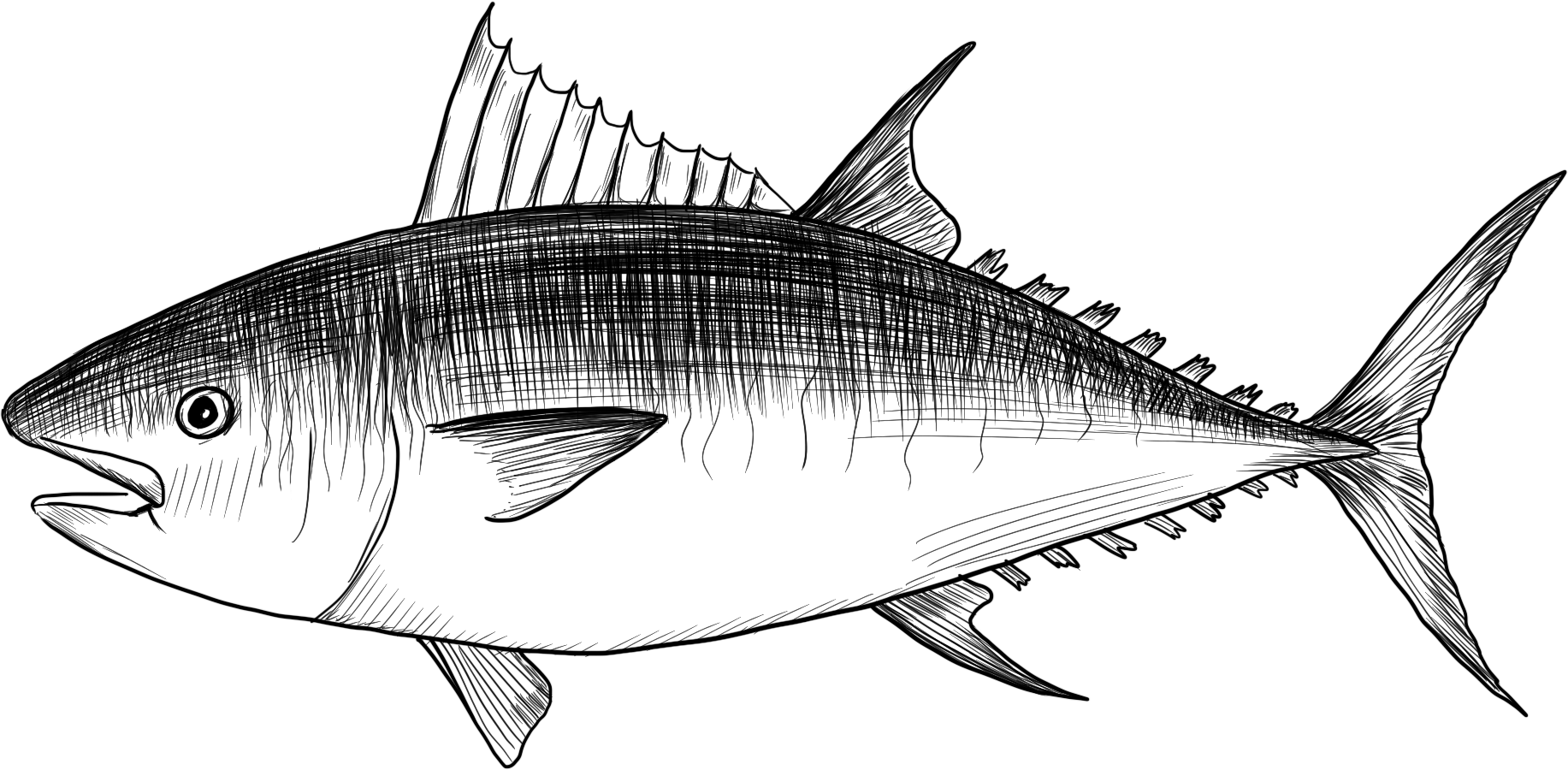
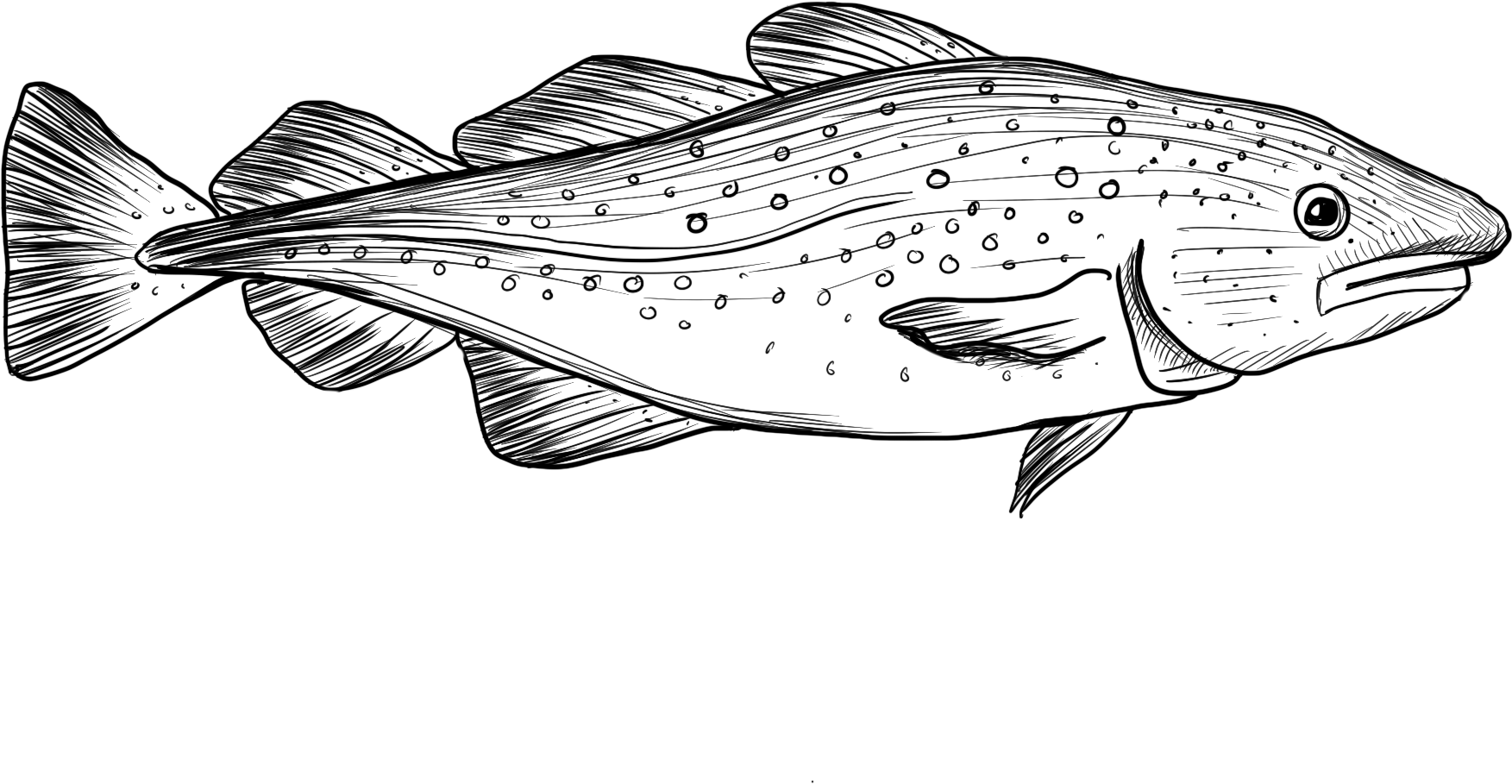
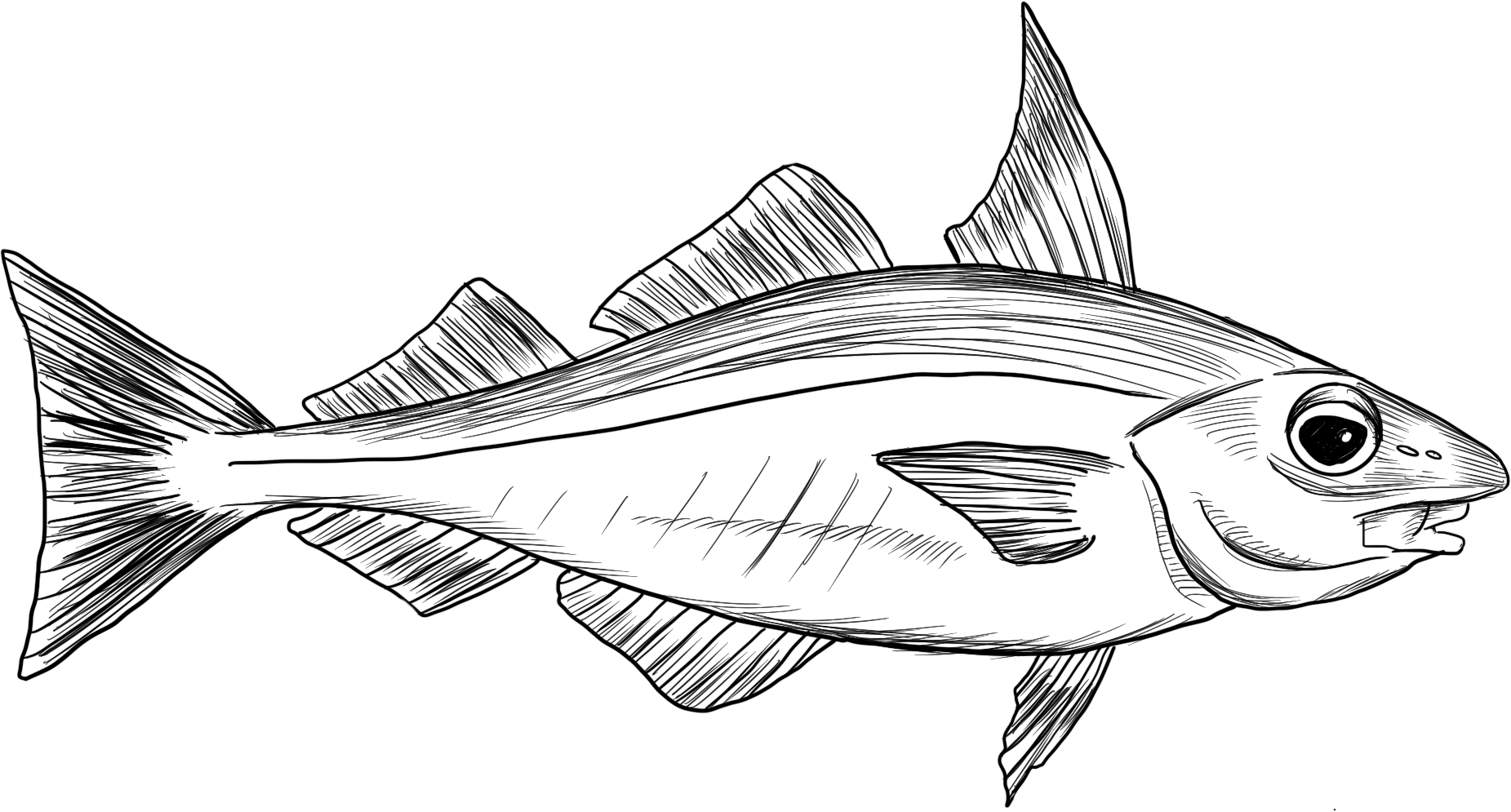
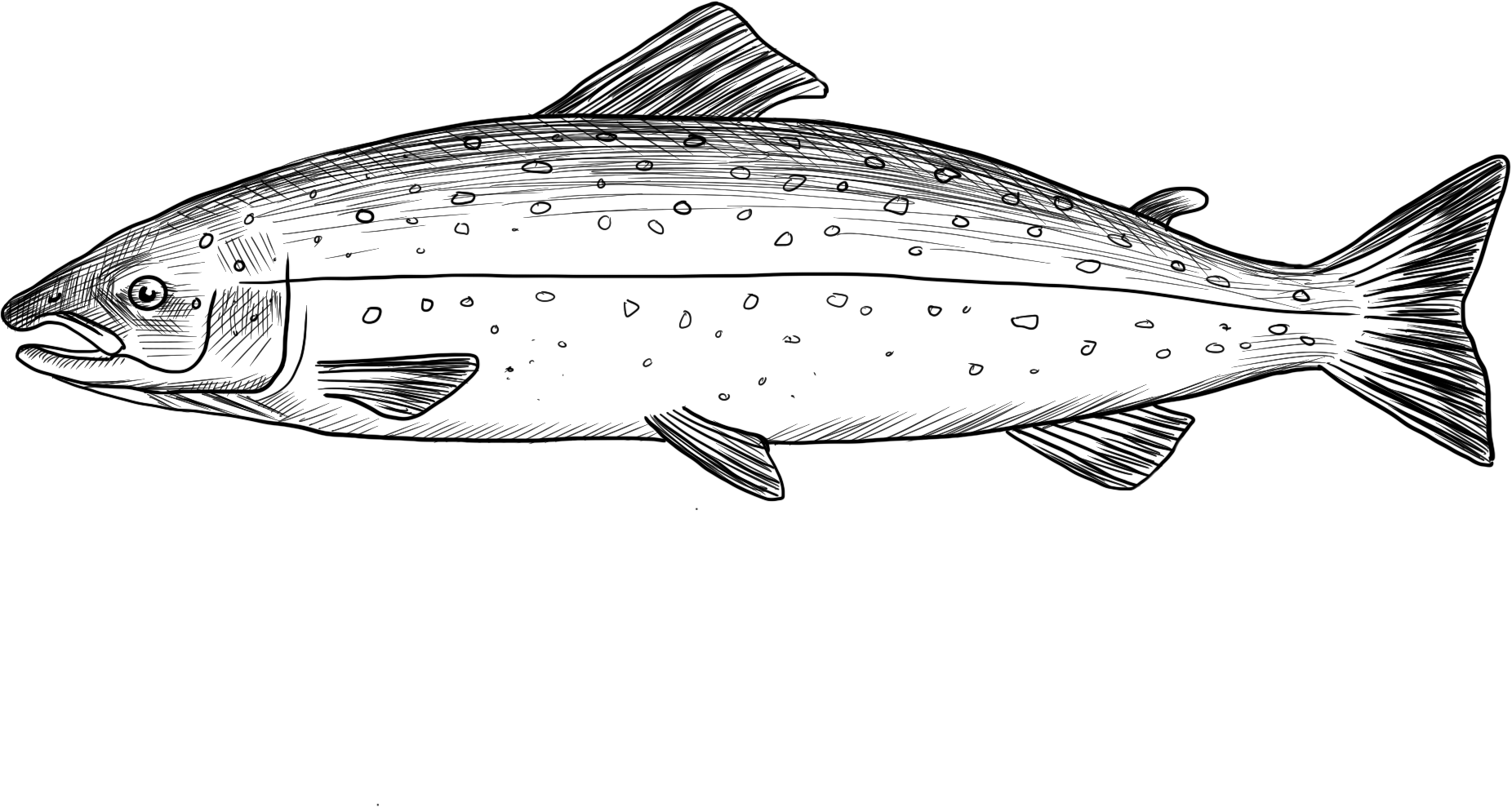
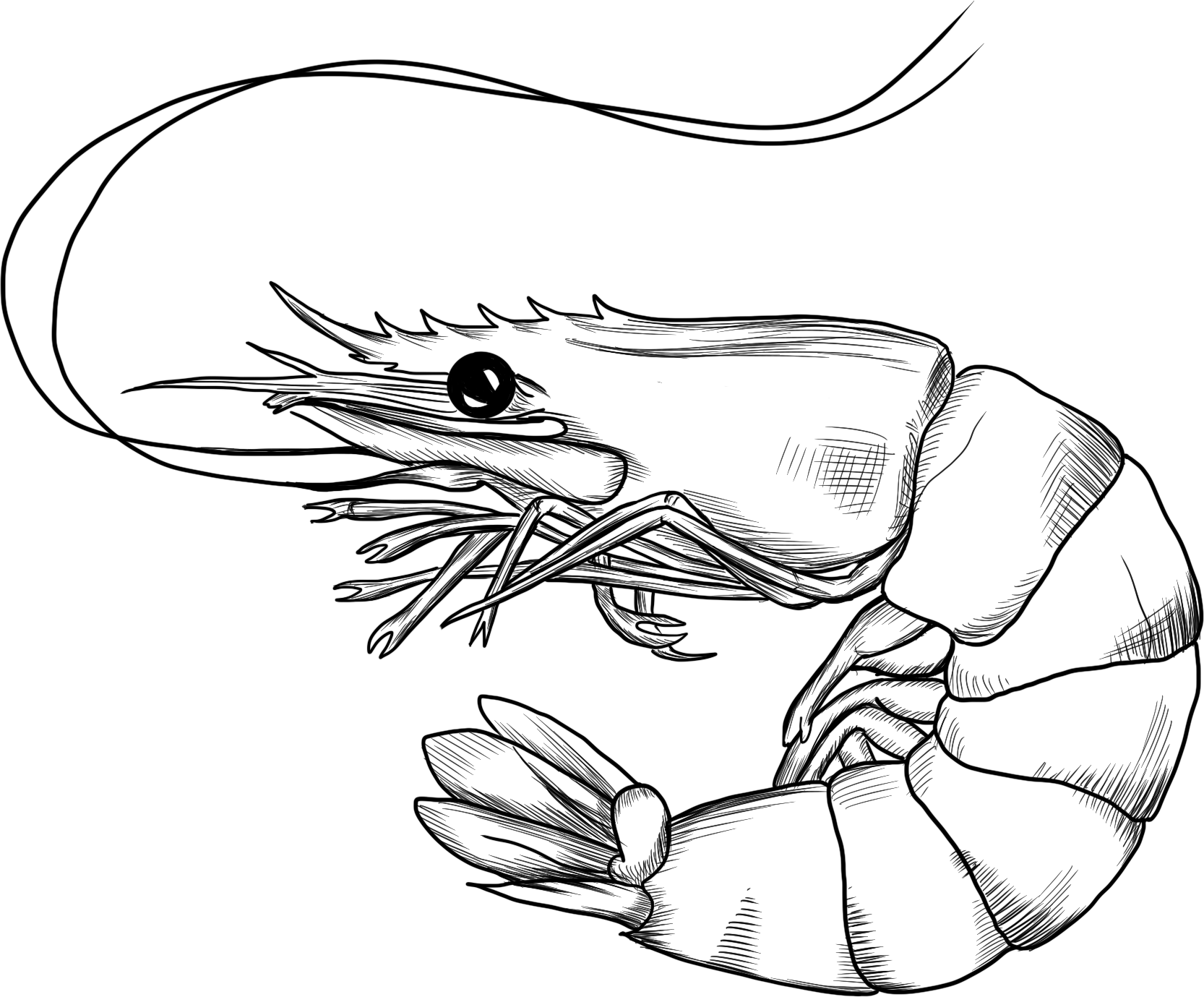
Did you know that the ‘big five’ species account for 80% of the seafood eaten in the UK and Ireland?
However, there are now 49 different MSC-certified species sold in UK supermarkets, so how about trying something new? If you love cod why not swap for Cornish hake or coley? Salmon can be swapped with Cornish sardines and brown shrimp can be used instead of prawns.
Fish and seafood needn’t be complicated or expensive to enjoy.
Get your taste buds tingling with these sustainable seafood recipes for every occasion
There are plenty of MSC-certified sustainable options in the UK for the ‘big five’ so you can carry on enjoying the meals you love, just make sure to look for the blue MSC ecolabel





Get cooking
Get cooking