The remarkable world of cats
From ancient hunters to beloved companions, discover how cats have shaped our lives.

Could your cat take the crown?
Enter now
For more than 10,000 years, cats have lived alongside us. Once prized for keeping rodents at bay, today they are companions, family members and subjects of scientific fascination.
Explore the history, science and remarkable stories behind our feline friends, discover how Cats Protection is helping every cat enjoy its best possible life, and enter your own cat into the Cat of the Year competition.
Cats through time
Our relationship with cats has been evolving for more than 10,000 years.
Pre 10,000 BCE
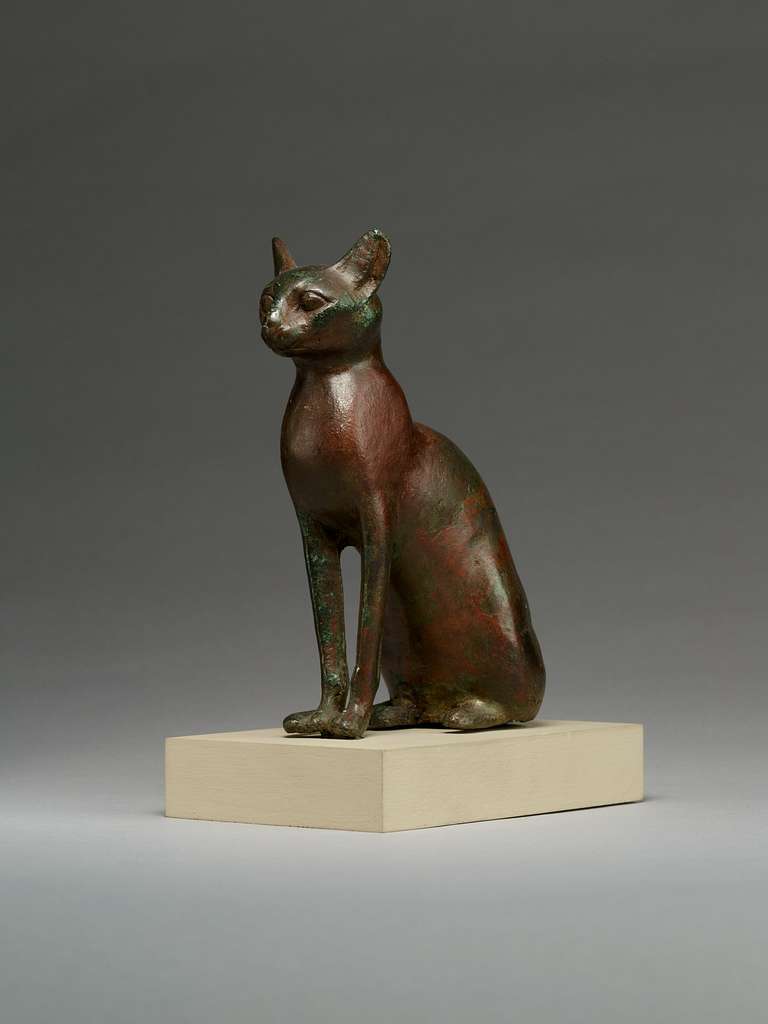
2,000 to 1,000 BCE, Ancient Egypt
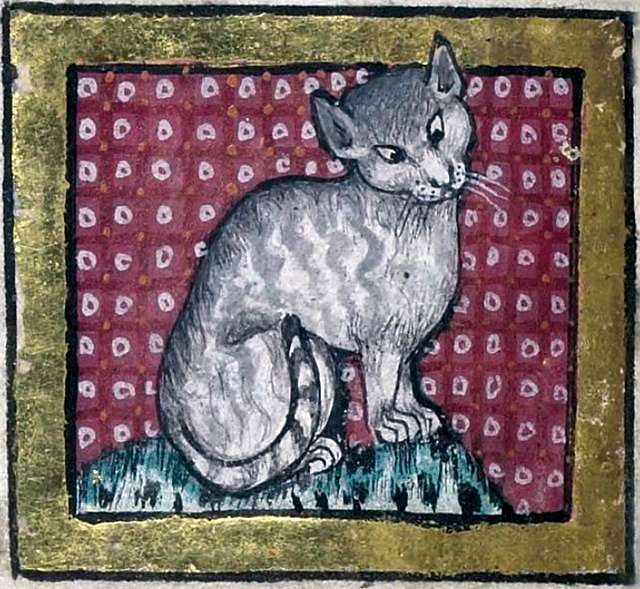
500 to 1,500 CE, Middle Ages
20th Century
10,000 to 8,000 BCE, Neolithic era
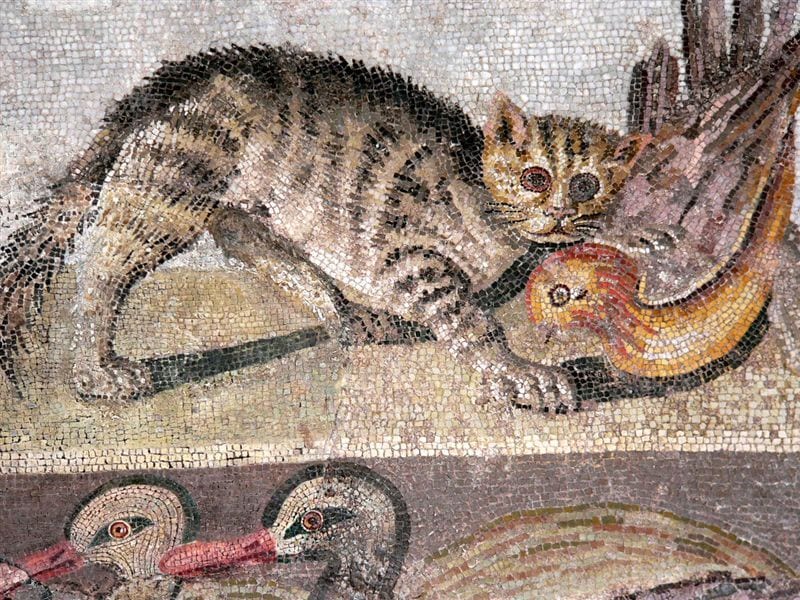
1st to 5th Century CE, Roman Empire
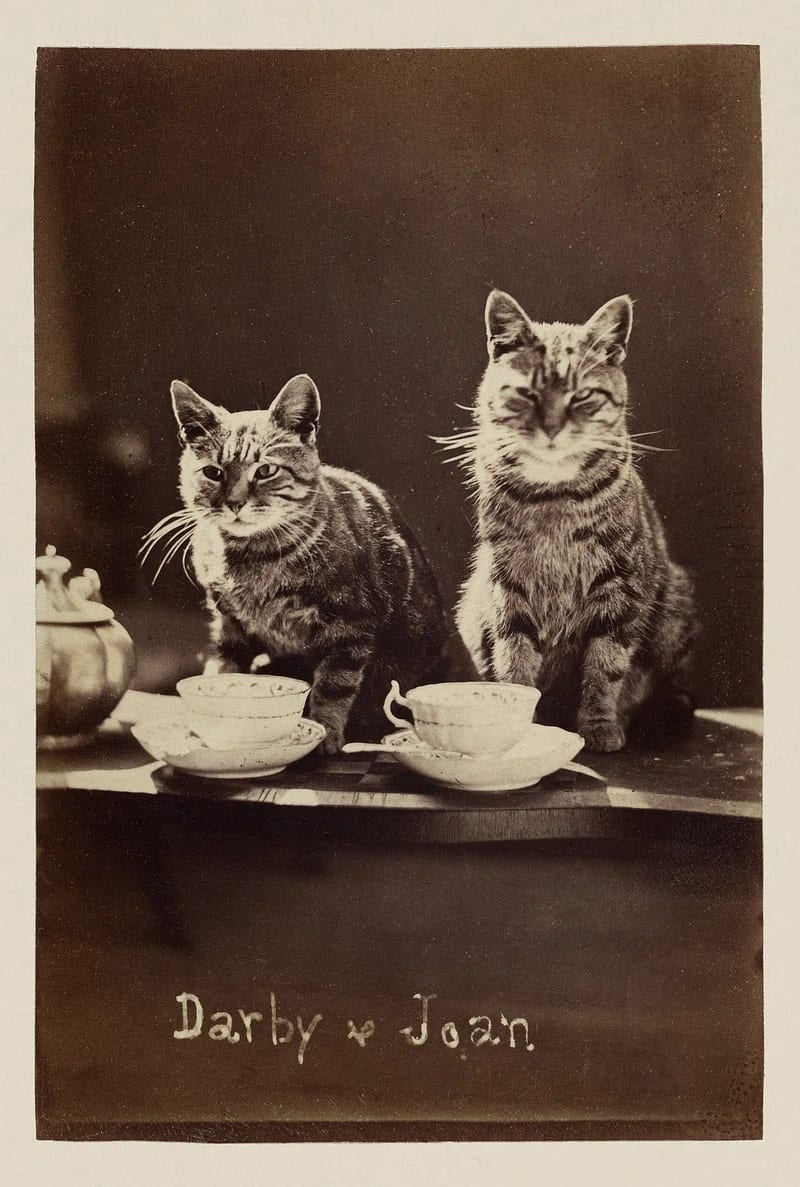
1800s, Victorian era
21st Century
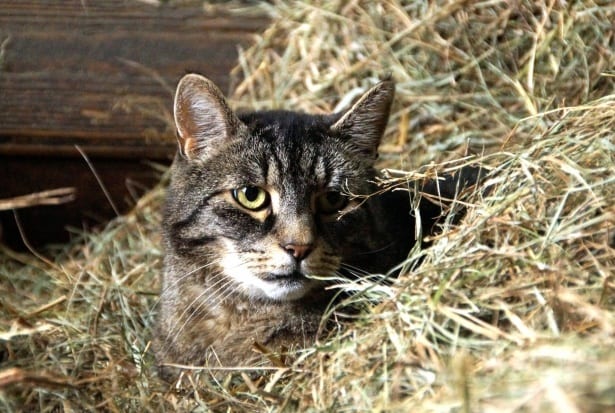
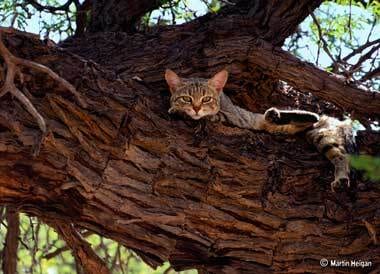
African wildcats roam the landscapes of North Africa and the Near East. There is little interaction with their human neighbours.
Cats become highly valued for protecting food stores and are closely associated with religion, particularly the goddess Bastet, becoming symbols of protection and the home.
Cats remain valued for keeping homes, farms and ships free from rodents, although in parts of Europe they also become linked with superstition and witchcraft.
Advances in veterinary care, nutrition and indoor living help cats become one of the world’s most popular companion animals.
As farming communities begin storing grain, rodents thrive. Wildcats follow the food source, helping control pests and laying the foundations for a mutually beneficial relationship with humans.
As the Roman Empire expands, domestic cats spread across Europe, becoming familiar companions in towns, villas and military settlements.
Cats become beloved companions, rather than simply working animals. Pedigree breeding grows in popularity, and the world's first organised cat shows take place at Crystal Palace in 1871.
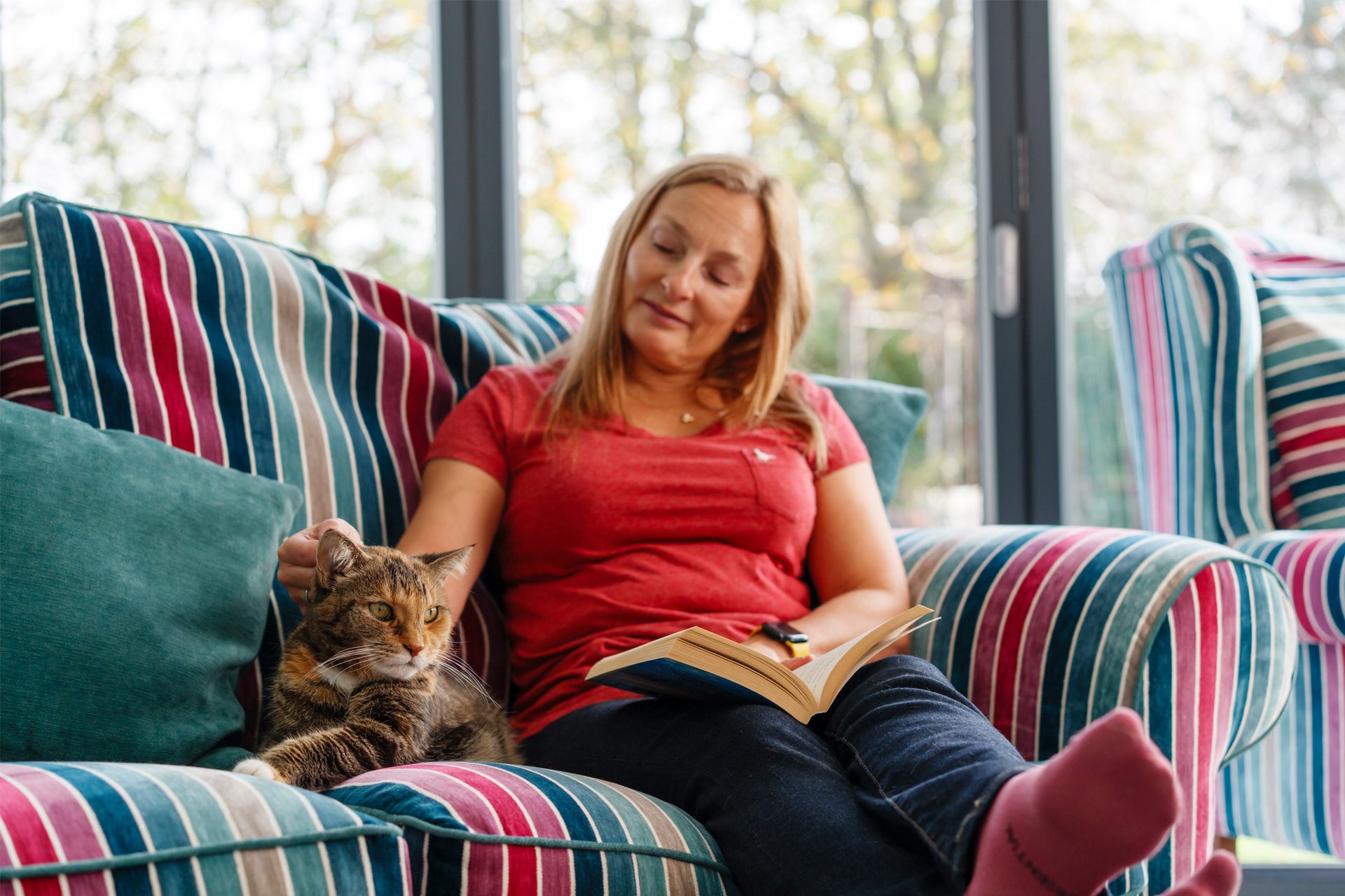
Family member, internet celebrity, emotional support and loyal companion, the modern cat plays many roles in our lives while continuing a partnership that began thousands of years ago.
For nearly 100 years, Cats Protection has helped people better understand, care for and protect cats.
Inside the life of cats
Incredible facts from the feline world
Cats like to sleep on their left-hand side
On waking, the cat’s left field of view is processed by the right side of the brain. In cats, this hemisphere is specialised in spatial awareness, making them ready for quick getaways.
Your cat’s whiskers are alive
A highly sensitive vibrissae of 24 mobile whiskers helps cats to detect nearby objects, judge gaps and move accurately, especially in the dark.
Every cat’s nose is unique
Each feline nose is made up of a unique pattern of bumps and ridges, as individual as a human fingerprint.
Cats’ eyes make them good ambush hunters
Cats’ distinctive vertical pupils allow them to adapt quickly to changing light conditions. They also help judge distance accurately, giving cats the precision they need to stalk and pounce on prey.
Cats don’t taste sweetness
Domestic cats lack a functioning receptor for sweet flavours, reflecting their evolution as obligate carnivores (animals that must eat meat to survive).
Cats can rotate their ears independently
With more than 30 muscles controlling their ears, they can pinpoint the source of a sound with remarkable accuracy.
Standing up for every cat
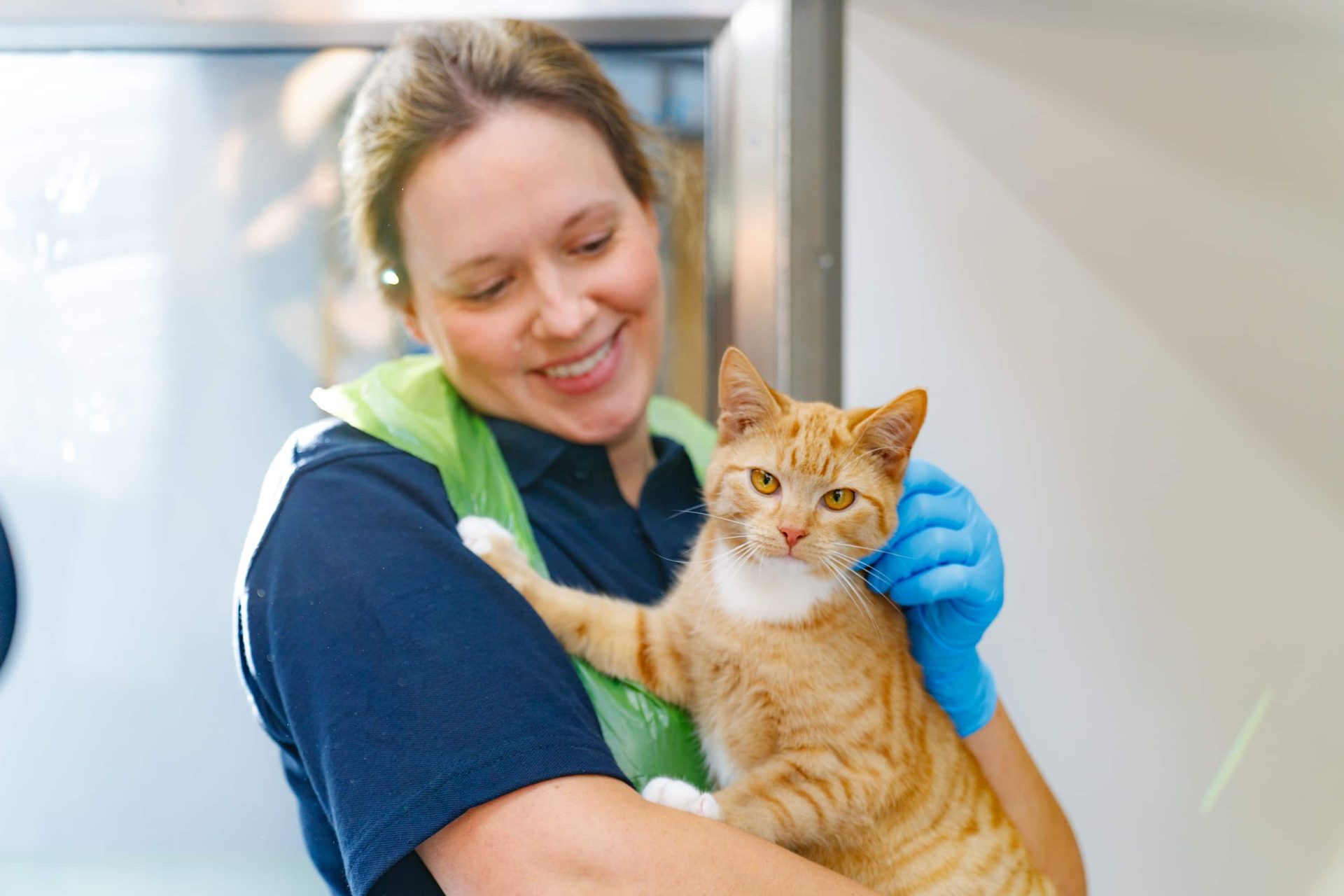
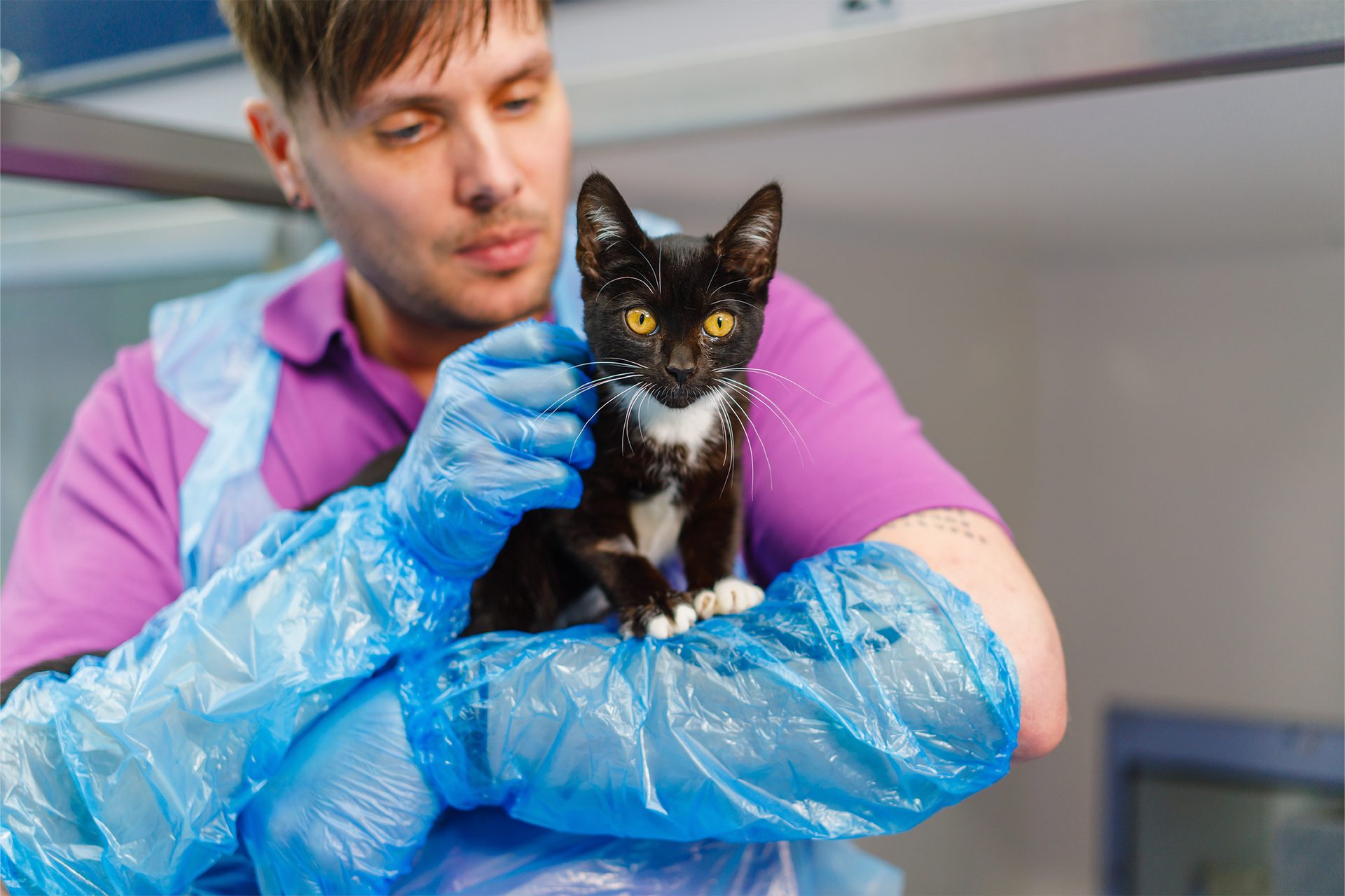
Cats Protection is working towards a better world for cats. Since 1927, the charity has been rescuing, caring for and rehoming felines across the UK, while campaigning to improve their welfare. Through education, neutering programmes and practical support for owners, Cats Protection helps people better understand and care for their pets. Every cat in its care receives expert veterinary treatment, a full health check and the opportunity to find a safe, loving home.
Discover more
Cat myths under the microscope
From ancient folklore to modern research, discover what science really tells us about cats and their surprising influence on human health and wellbeing.